Genesis Deeper ② The Day He Spread Out the Sky — why is day two the only day without “good”? (Genesis 1:6–8)
A series that takes one Bible passage at a time and looks a little deeper. Every post comes with images you are free to use in worship, class, or on social media.
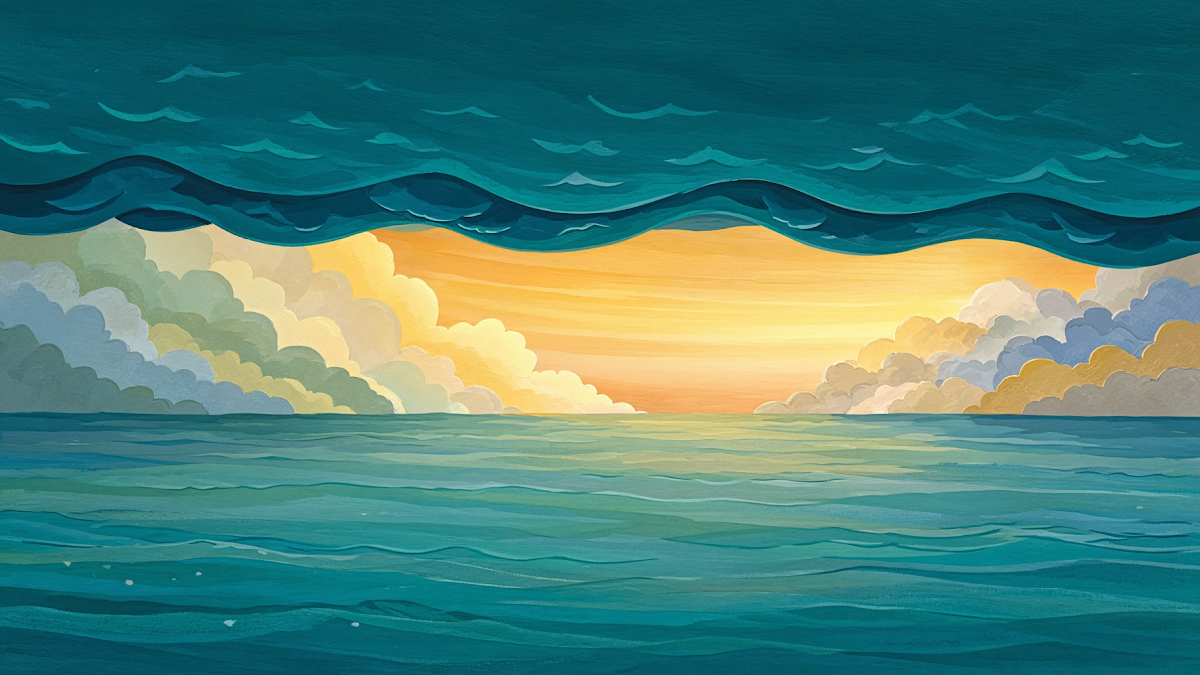
God said, “Let there be an expanse in the middle of the waters, and let it divide the waters from the waters.” God made the expanse, and divided the waters which were under the expanse from the waters which were above the expanse; and it was so. God called the expanse “sky”. There was evening and there was morning, a second day.
— Genesis 1:6–8 (World English Bible, public domain)
1. Light had come, but there was still no sky

Picture the place where day one ended and something feels odd. There is light, and day has been divided from night. But there is still no sky. No land either — nowhere to stand, nothing to look up at.
What remains is water. The same water day one described as “darkness on the surface of the deep” still covers everything, with no above and no below. Light shines, but what it falls on is an endless surface of water.
To people in the ancient Near East, endless water was a force that swallowed life. A flood erased a village; in the old stories of neighbouring peoples the sea was often a monster the gods had to fight.
Genesis does not paint that water as a monster. Water here is simply material in God’s hands — not an opponent to be fought.
2. He split the middle of the waters and opened a space
God speaks: “Let there be an expanse in the middle of the waters, and let it divide the waters from the waters.”
The Hebrew opens exactly as day one did. Where day one was yehi ’or (יְהִי אוֹר, let there be light), day two is yehi raqia (יְהִי רָקִיעַ, let there be an expanse).
What follows is different this time. On day one the text went straight to “and there was light.” On day two it says God made something: “God made the expanse.” The verb is wayya‘as (וַיַּעַשׂ), and this verse is the first place in Genesis where the verb עשׂה, “to make,” appears at all.
The expanse then does one thing: it holds the waters apart, above and below. What had been one mass of water became two, and between them opened a space.
That empty space is what day two produced. God did not fill something in; He left a place open. He spent a whole day preparing the room where birds would later fly and rain would later fall.
3. Going deeper — why day two is the only day with no “good”
Read Genesis 1 slowly and one thing catches. Day after day God looks at what He has made and calls it good. Day one: “God saw the light, and saw that it was good” (Genesis 1:4). Then the same line repeats from day three through day six.
But on day two it is simply absent. He makes the expanse, He even gives it a name — and no verdict of “good” follows. Was it left out by accident?
The next day gives the clue. On day three the line appears twice: once when the dry land appears (Genesis 1:10), and again when the earth brings forth plants and trees (Genesis 1:12). One of them looks carried over from the day before.
So many scholars read it this way: the work of day two did not finish within day two. God divided the waters above from the waters below, but the lower waters were not yet sorted out. That happens on day three (Genesis 1:9). The handling of the waters ran across two days.
One caution. The Bible does not say day two was bad. The verdict of “good” is missing; a verdict of “wrong” is nowhere in the text.
4. Raqia — a surface hammered wide

The Hebrew word is raqia (רָקִיעַ). Its root רקע means to beat something out thin and wide — the picture of a smith hammering a lump of metal into a broad sheet.
So raqia is a surface spread out wide. Older English Bibles say “firmament,” which came by way of the Greek stereoma (στερέωμα) and the Latin firmamentum. Modern translations, including the one quoted above, prefer “expanse.”
Day two also brings back a word from day one: mavdil (מַבְדִּיל) in verse 6 and wayyavdel (וַיַּבְדֵּל) in verse 7. Both are causative forms of the root ב־ד־ל, “to separate, to set apart” — the very verb used when God divided light from darkness. Creation is the same gesture, repeated.
And a new phrase closes verse 7: wayehi ken (וַיְהִי־כֵן), “and it was so.” This is the first place it appears in Genesis 1, and it will return again and again. It is a short way of saying there is no gap between the word and the fact.
5. He called it “sky”
Day two ends with a naming: “God called the expanse ‘sky’.”
God named things on day one too — light “day,” darkness “night.” Now the space He has just opened receives the name “sky.” To be given a name is to have a place of your own.
6. For us today
Nothing visible was filled in on day two. The one thing made was a space, and the day closed without ever hearing “good.”
We have seasons like that. A stretch of hard work with nothing in hand to show for it; a year that felt like preparation and nothing else. Passing through it, we conclude too quickly: “today amounted to nothing.”
But without day two there is no day three. Leaving a space open was also a day of creation. There was no visible fruit — that is all. God was not resting.
And on day three “good” was said twice. The withheld word was not lost. If the season you are in has not yet heard “good,” that does not make it a failure.
“God who opens up space, there are places in my life where nothing has been filled in yet. I believe those places are not abandoned but being prepared by You. Even with no visible fruit today, let me trust that You are at work. Amen.”
🕊 Using this in ministry
Opening question
“If there were no sky, what couldn’t live?” Let them name birds, clouds, rain, our own breathing. Then ask, “So when did that sky come to be?” and step into day two.
Activity
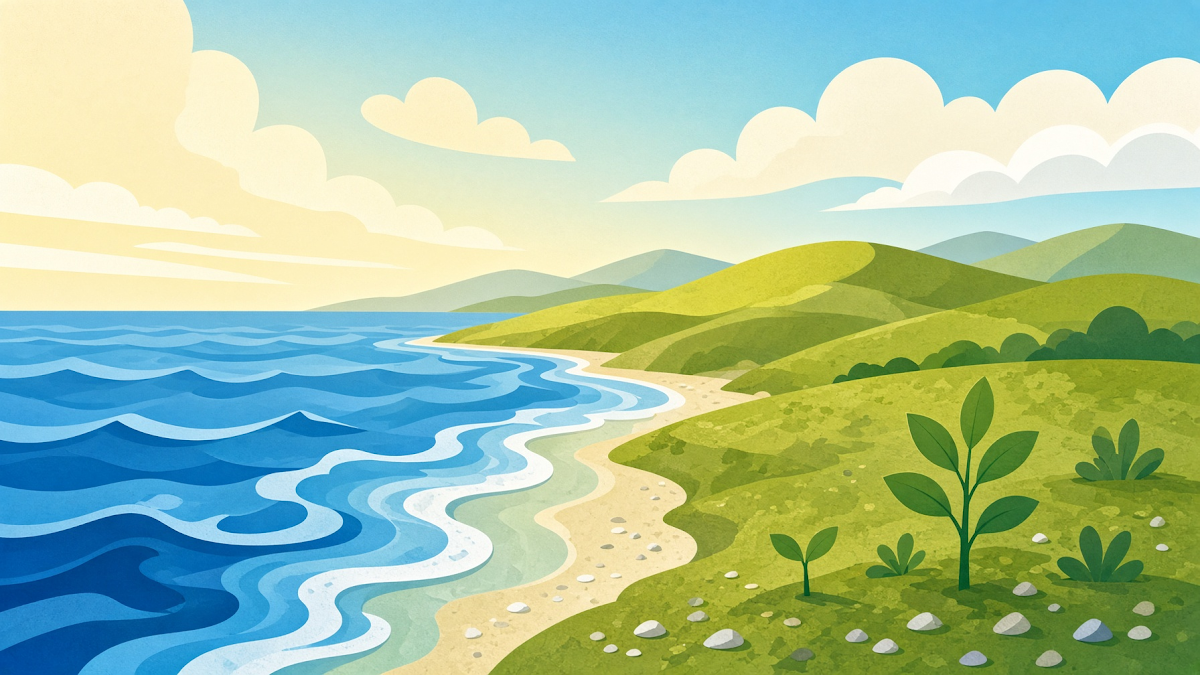
Lay two sheets of blue cloth or paper one on top of the other and put the second image (nothing but water) on screen. As you say “let it divide the waters from the waters,” pull the two sheets apart to open a gap between them, then switch to the first image. That gap is the sky.
Application
Show the third image and say, “On day two there was still no ‘good’ yet.” Then ask, “What in my life is still unfinished?” and let them share. Do not rush them toward an ending; close with “God was counting that day too.”
⬇ Today’s four images — free to download
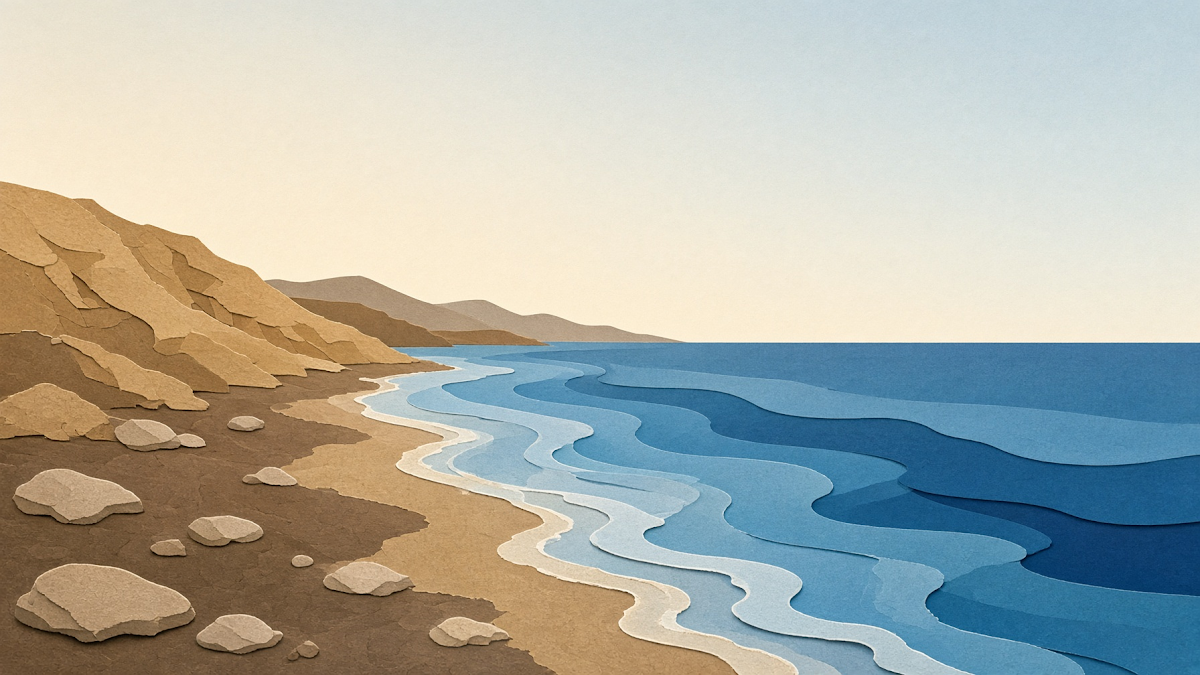
 Before there was a sky |
 Dividing the waters |
 He called the expanse sky |
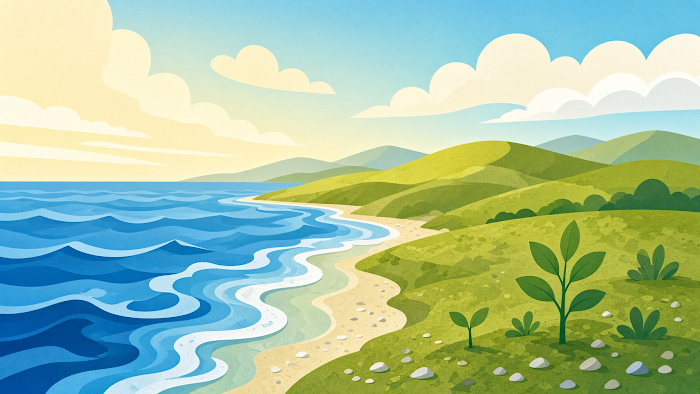 Day Three — dry land appears |
📄 Image licence CC0 (Public Domain) · Use, modify and redistribute freely, no attribution required.
🤖 These images were created with AI (Grok).
🎨 Week 1 Creation — 28 free images — transparent PNG · CC0, day one through day seven
🇰🇷 한국어 · 🇺🇸 English (current) · 🇰🇭 ភាសាខ្មែរ
Origin Bible · Mission Zedero
Contact joypej@gmail.com
✍️ This article was written with the help of AI and reviewed by a person.
Article text is CC BY-NC 4.0 — free for non-commercial use with attribution.


댓글
댓글 쓰기