Forbidden Fruit Kids & Youth Bible Lesson PPT Free Download (Genesis 3:1~24) · Origin Bible #3
About Origin Bible
Origin Bible is the Bible-education brand of Mission Zedero, which serves in Cambodia. So that Bible stories can be met again in the language of children and youth, we share animation videos and teaching materials (PPT and teacher scripts) free of charge.
The copyright of the videos, PPT, and teacher scripts belongs to Mission Zedero. In churches, children's ministries, and mission fields you may freely use, copy, and share them for non-profit educational purposes, and you may also adapt them to fit your own setting. Commercial sale or paid distribution is not permitted. When you use them, please credit ‘Origin Bible’ as the source.
License: CC BY-NC 4.0
Contact: joypej@gmail.com
the Origin Bible YouTube channel has more Bible-story videos for you to watch.

💡 PowerPoint files are large and may take a while. On a phone, we recommend using Wi-Fi.
💡 PDF files usually download right away without this message.
What this lesson covers
Genesis 3:1~24, the day people first broke God's word. This is the lesson where the two versions are given different titles for the first time: elementary "The Great Promise Hunt," youth "First Disobedience, First Promise."
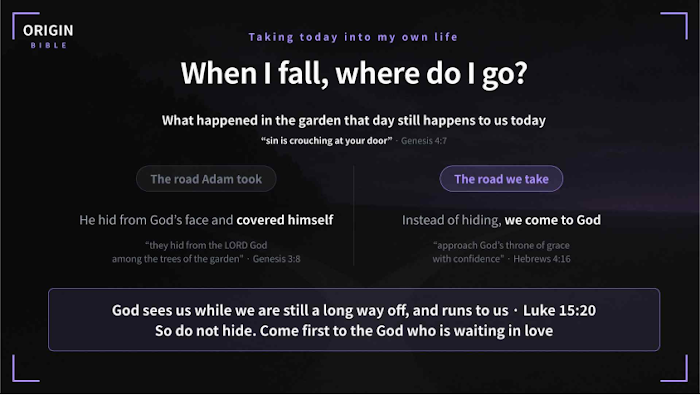
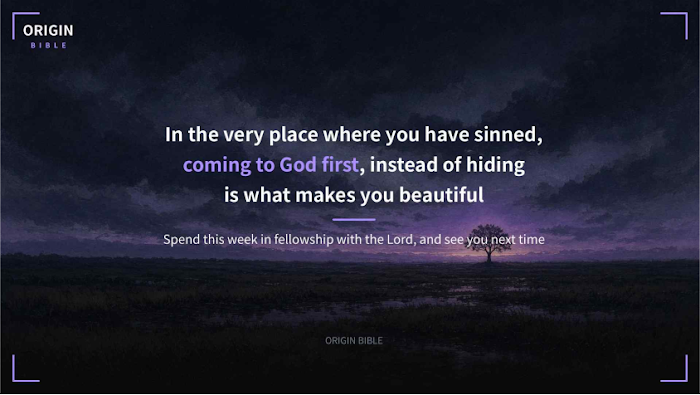
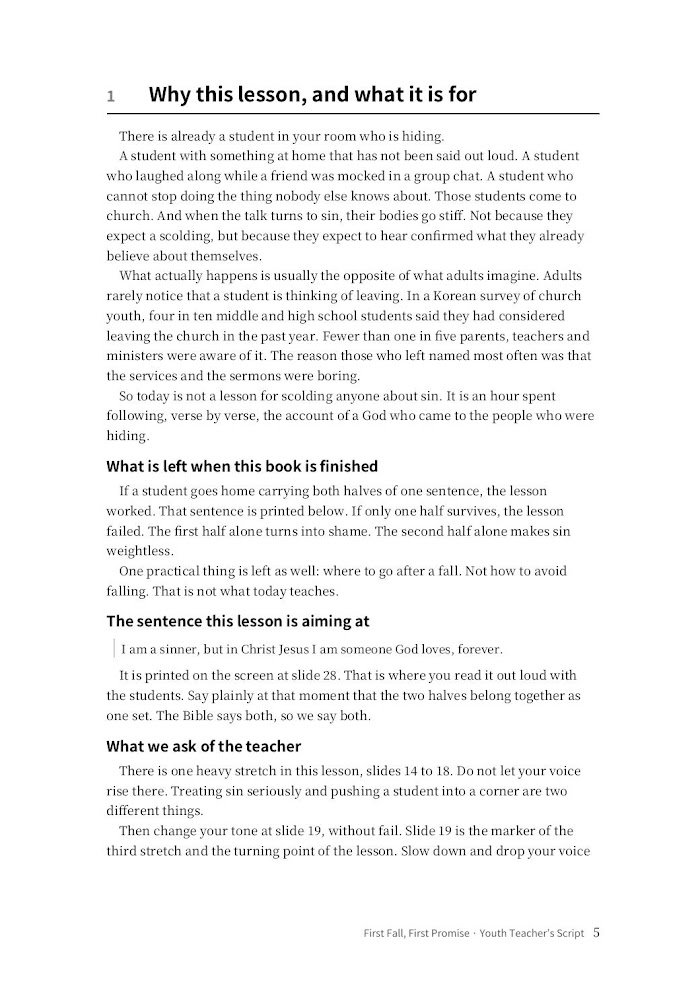
The youth class carries two sentences home as a set: "I am a sinner. And I am forever a child loved by God in Jesus Christ." Keep only the first and it becomes shame; keep only the second and the weight of what they just read disappears. The elementary class goes with "Even when you did wrong, God comes looking for you first. Don't hide. Go to God." The order is fixed: a child who cannot believe the first half cannot do the second.
Both books begin from the same observation: there is already a child sitting in that room who is hiding. And both end the same way: this session is not a time to scold anyone for sin.
How the session runs
Elementary · 34 slides · about 57 minutes
Opening → ① Temptation → ② Disobedience → ③ What God said → ④ What happened that day → ⑤ Response
Youth · 30 slides · about 70 minutes
Opening → ① Temptation → ② Disobedience → ③ Promise → ④ Response
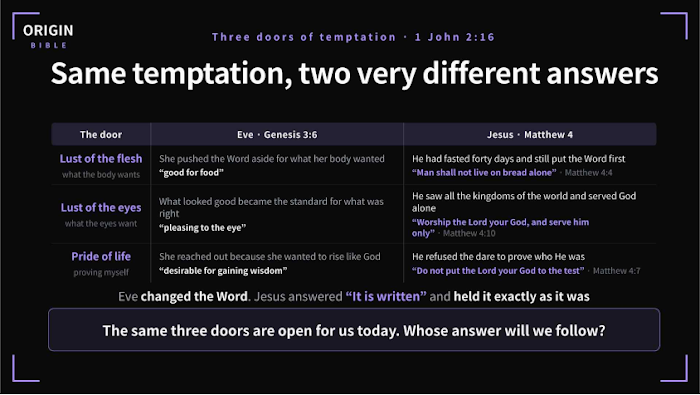
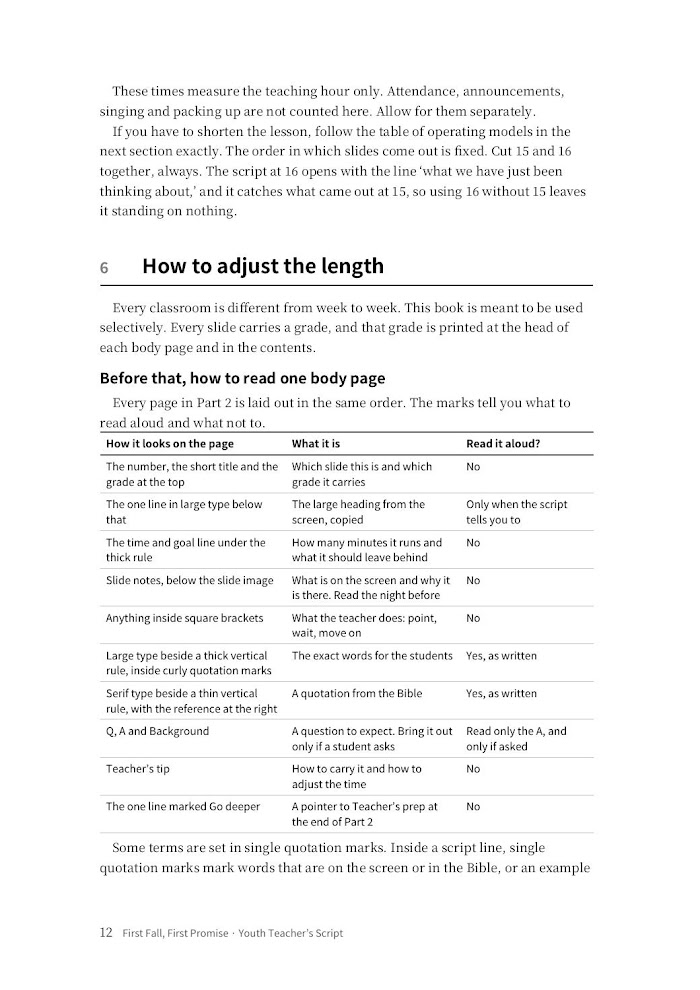
Only the elementary version gives "what happened that day" its own section. Leave it out and the session turns into "it's fine to do wrong," and once forgiveness is cheap, a child stops treating it as precious. The elementary deck moves through clue-hunt quizzes; the youth deck works with a table of "where the words were changed" and the three channels of temptation.
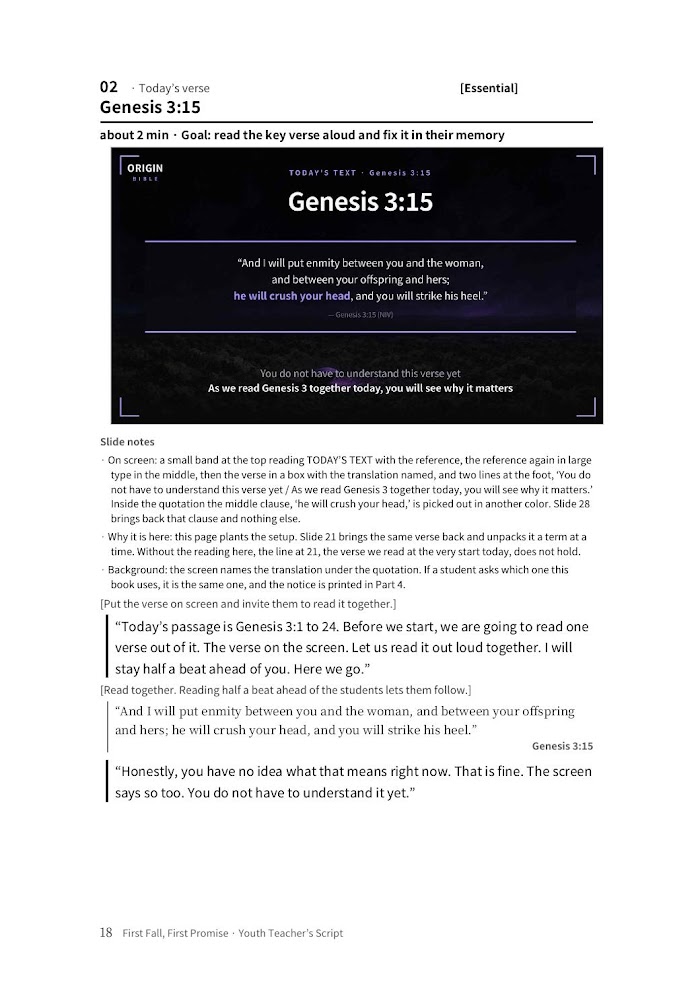
The turning point differs. For youth it is slide 19, where the promise section opens: "change your tone here, without fail." For elementary it is slide 18, the slide that reads "Where are you?" The script says: "Lower your voice. That moment is the whole lesson."
The elementary version does not cover Genesis 3:16 or 3:24. Leaving the garden is handled at verse 23.
What the teacher should know first
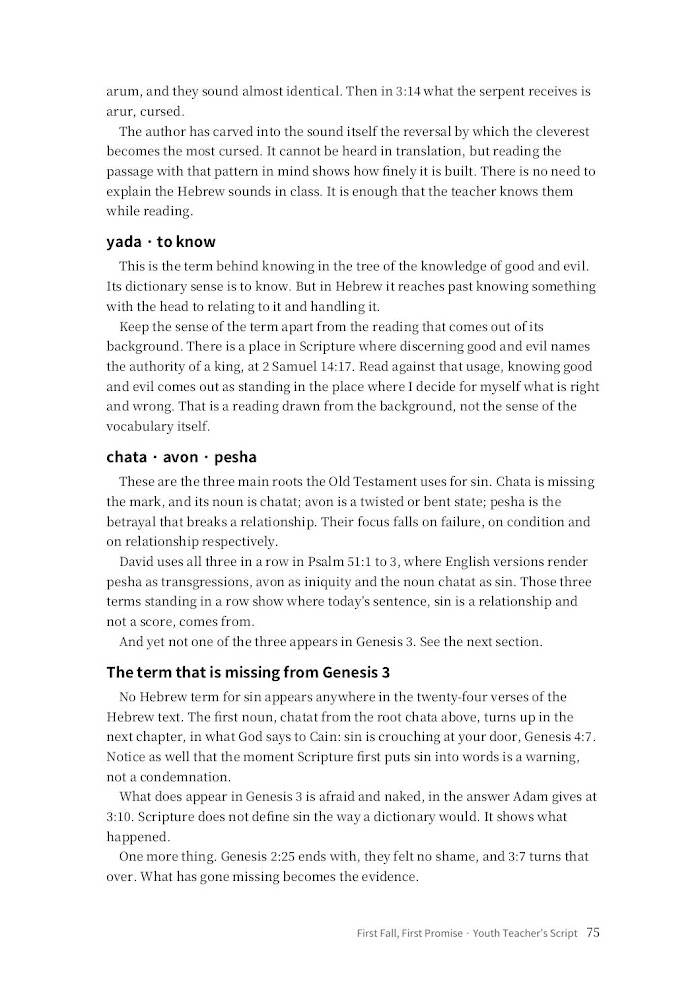
There is no word for "sin" anywhere in Genesis 3. Across all twenty-four verses of the Hebrew text it appears neither as a noun nor as a verb. The first occurrence is in the next chapter, Genesis 4:7, "sin is crouching at the door," and that first appearance is a warning, not a verdict. The words that actually appear in chapter 3 are "I was afraid" and "I was naked."
arum and arom
in 2:25 the humans are "naked" (arom), and in the very next verse the serpent is "crafty" (arum). The two sound almost the same. The writer stitched the two verses together by sound.
shuph (to strike / bruise)
in 3:15 "strike your head" and "strike his heel" use the same verb. What makes the difference is not the verb but where the blow lands. The head is fatal; the heel hurts and heals.
kethoneth (garments of skin)
an ordinary word appearing twenty-nine times in the Old Testament; Joseph's coat is the same word. This does not mean you may never connect those garments to the death of Christ. It means do not build that connection on the word itself.
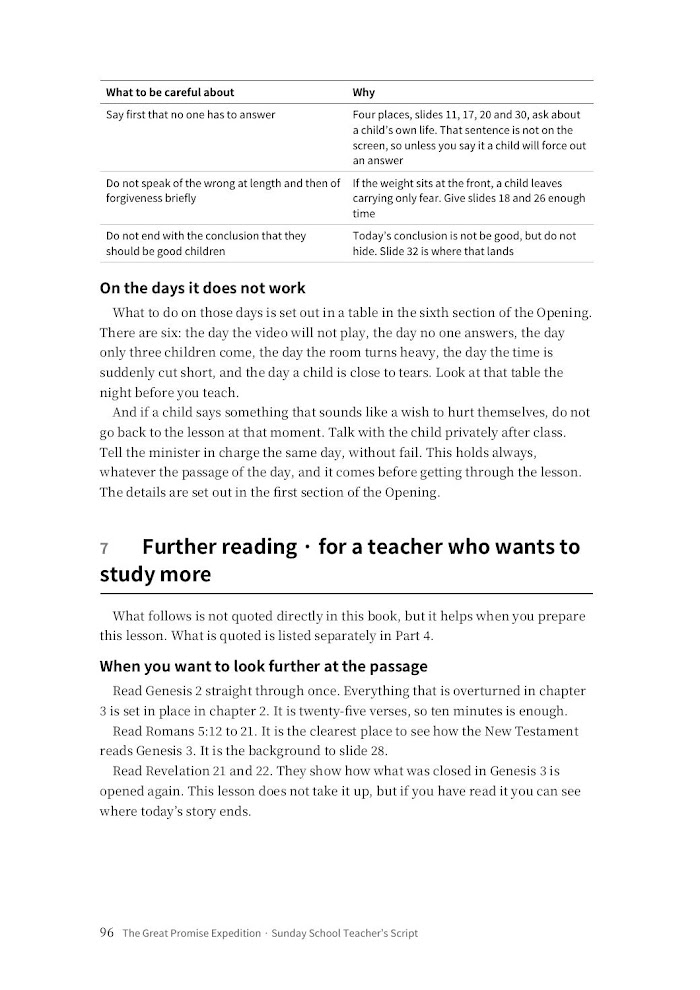
From the script's list of common mistakes: flatly equating the serpent with Satan · saying it was Eve's fault · calling Genesis 3:21 the first sacrifice in the Bible (the text has no killing, no blood, no sacrifice, no atonement) · saying God cursed Adam and Eve (what is cursed is the serpent and the ground) · teaching 3:16 as a command (it is a description of what broke, not an order).
Questions children actually ask
God said they would die, so why didn't they?
The script notes this as the question that comes up most often in class.
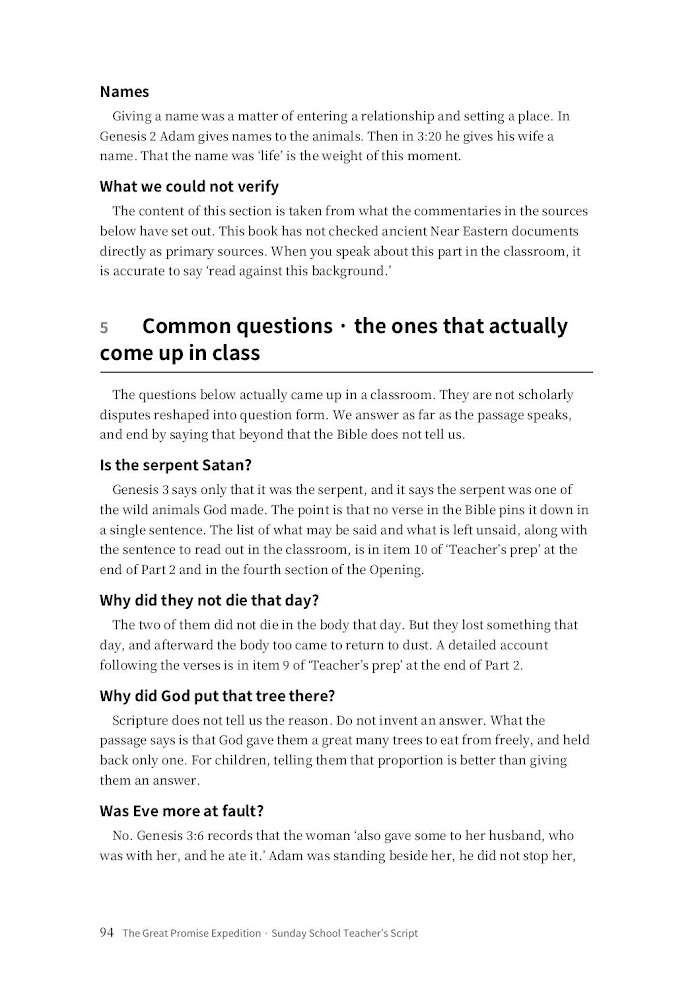
Is the serpent Satan? · Why did God put that tree there at all? · Was it Eve's fault?
No.
What kind of fruit was it?
The Bible just says "fruit." The apple came later in art, and our slides deliberately show a round fruit that is not an apple.
Was God angry?
The Bible does not say God was angry. What it does say is that God called out first.
The script also keeps a separate table of questions the passage does not answer: where the serpent came from · what would have happened if they had eaten from the tree of life first · why they did not die that day · whether God knew this would happen. All four are answered with "the Bible does not tell us," plus one line on why there is no answer.
Children's Ministry (Elementary) Materials
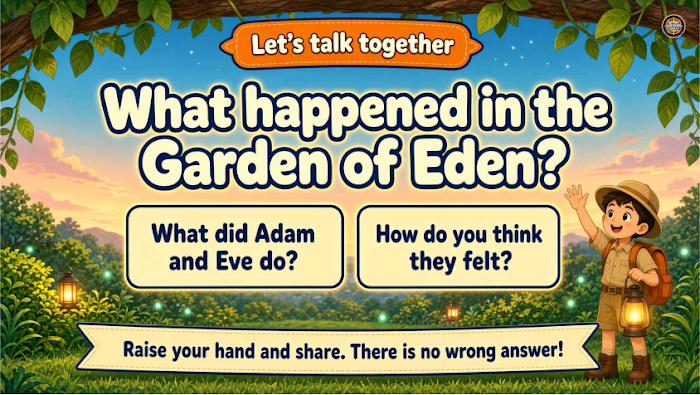
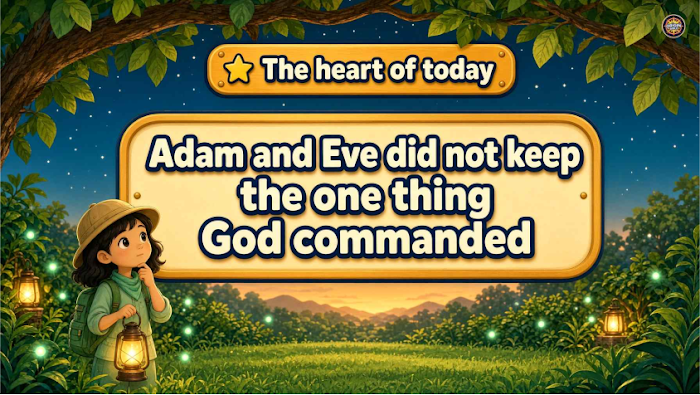
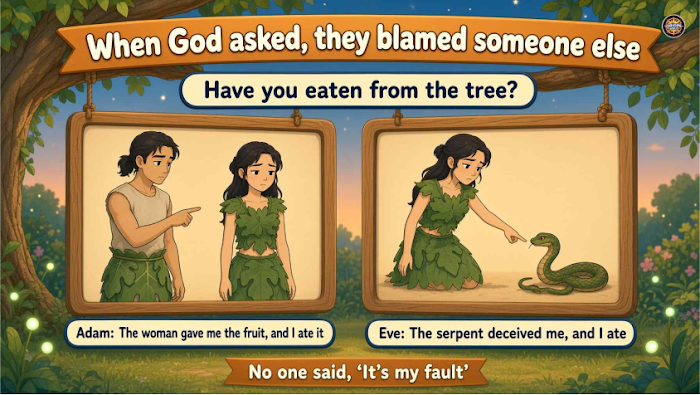
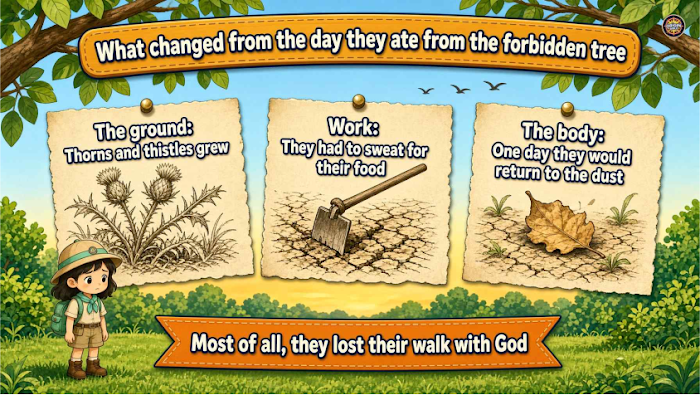
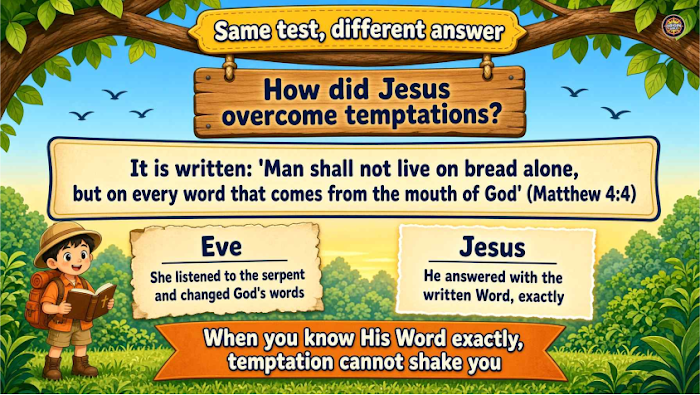
Class slides in an ‘Explorers’ format tailored to elementary-age children. (Preview)
 |  |
 |  |
 |  |
 |  |
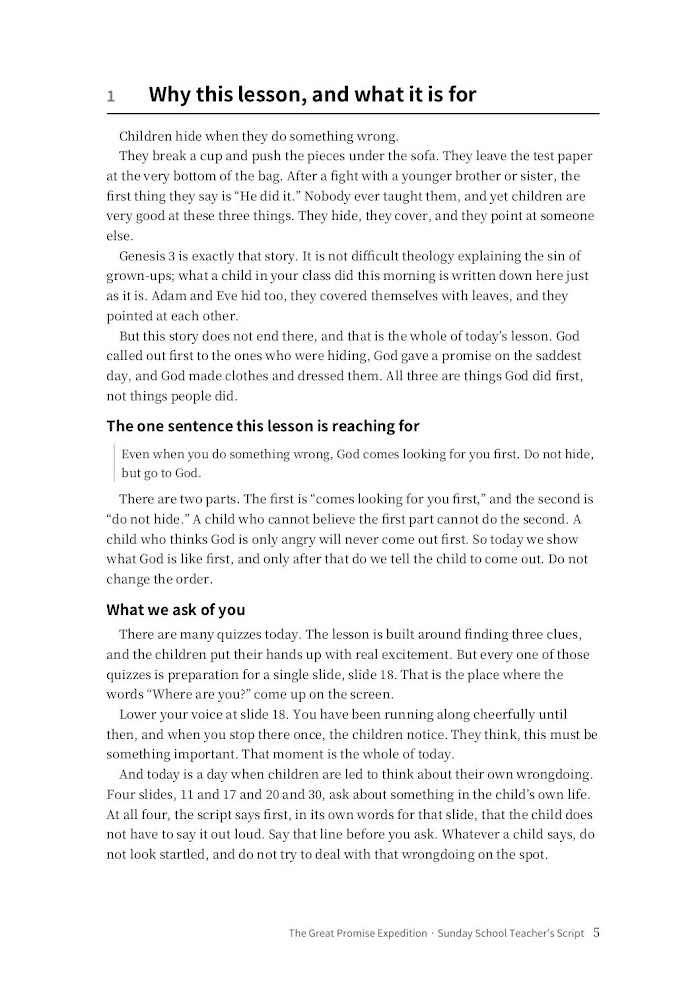
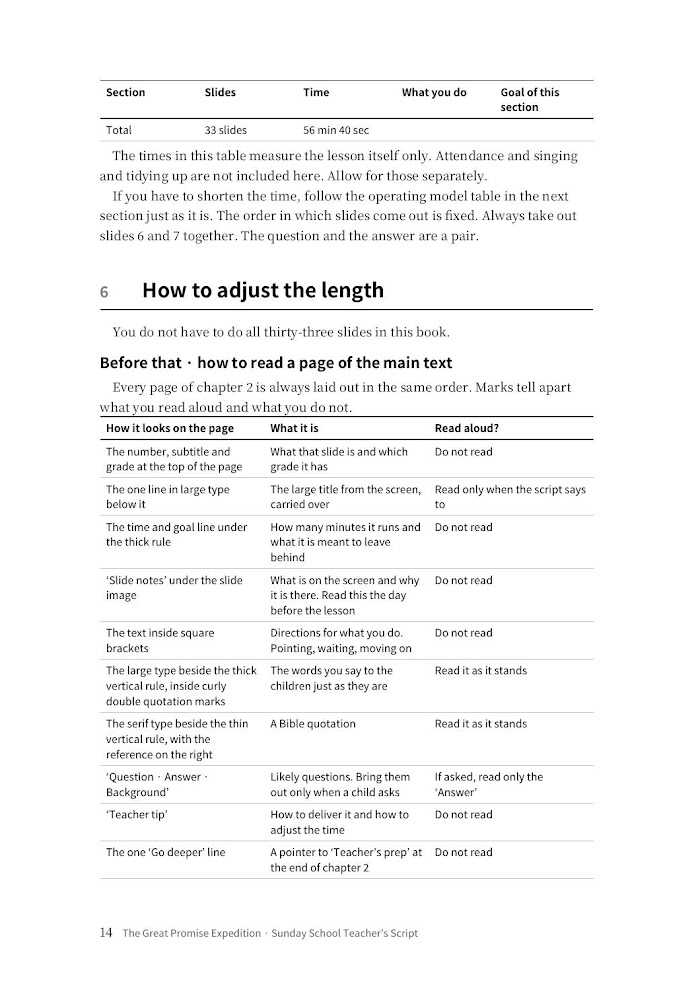
Material to help teachers as they lead the Bible study using the PPT. It includes everything needed: a Bible-study guide, slide-by-slide commentary, and reference material. (Preview)
 |  |
 |  |
 |  |
Youth (Middle & High School) Materials
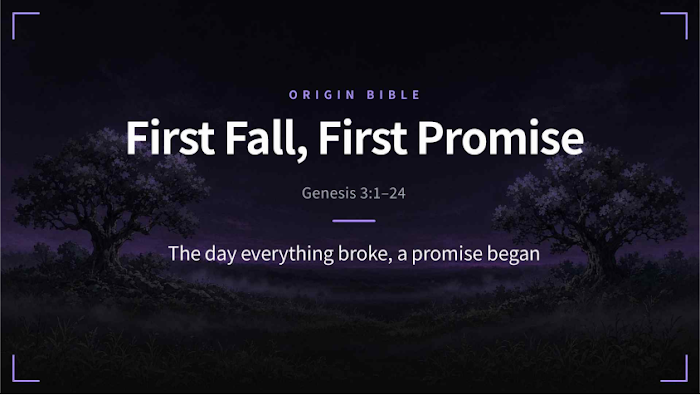
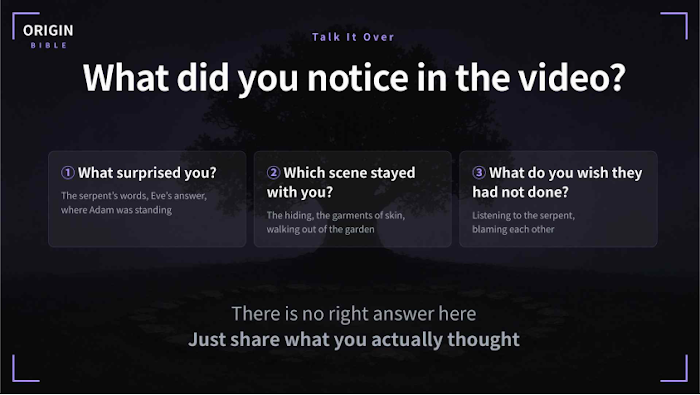
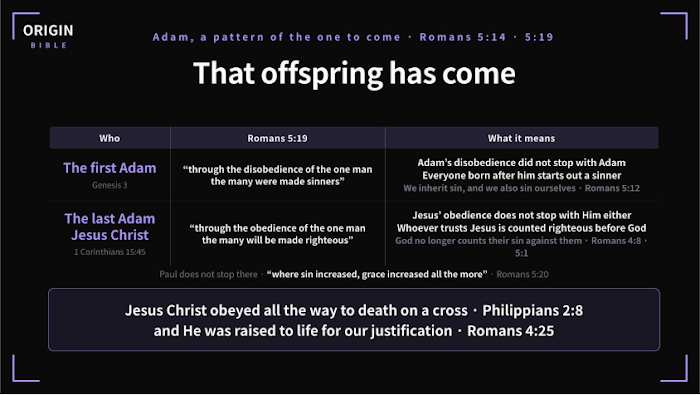
Class slides tailored to teenage students. (Preview)
 |  |
 |  |
 |  |
 |  |
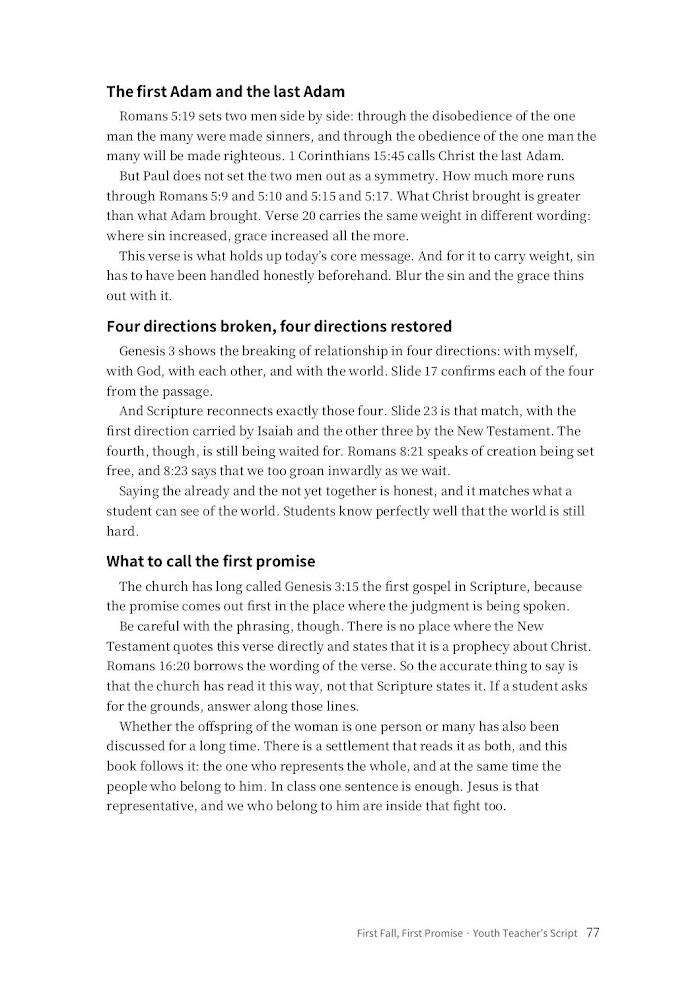
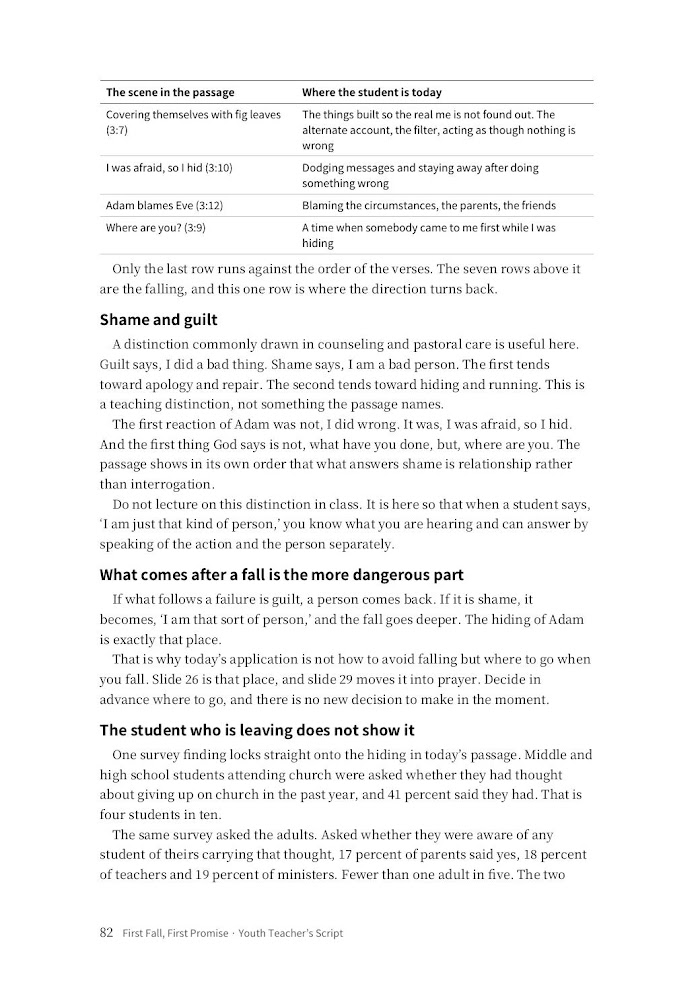
A teacher script that leads all the way to discussion and application. (Preview)
 |  |
 |  |
 |  |


Comments
Post a Comment